Admin
Admin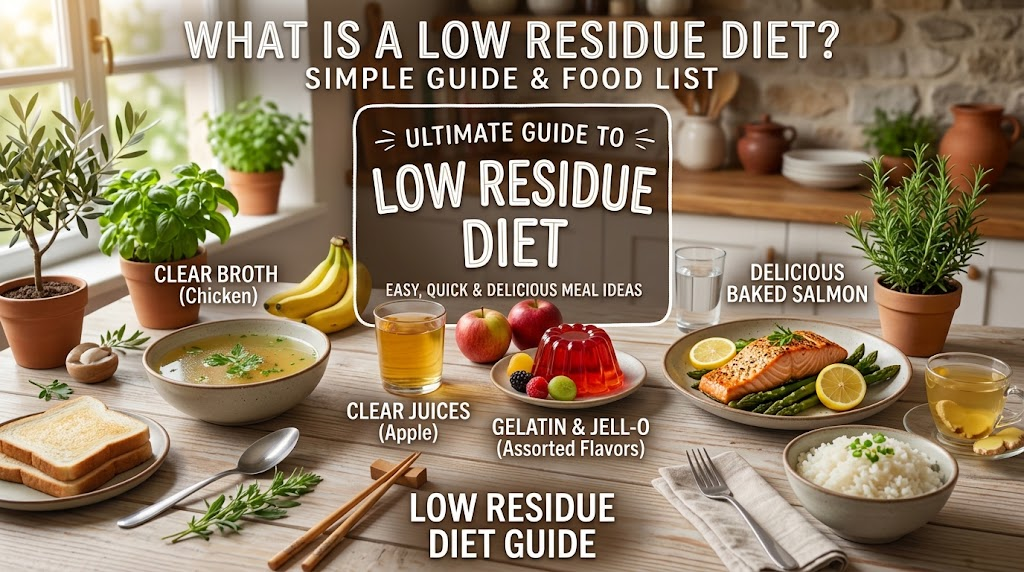
Have you ever wondered why some foods make your tummy feel happy while others make it rumble and complain? Sometimes, our bellies need a little vacation from heavy foods. A Low Residue Diet is a special eating plan that limits how much work your digestive system has to do. The word “residue” simply means the leftover waste or fiber that stays in your gut after your body digests food.
When you follow a low residue diet, you eat foods that are very easy for your tummy to break down. This means eating things that leave very little fiber or waste behind. Doctors often recommend this gentle plan when someone has a sensitive stomach, a tummy flare-up, or is getting ready for a special medical test.
Think of your digestive tract like a busy kitchen sink. If you put too many large, hard-to-wash items down the drain at once, it might get clogged. But if you keep things soft and simple, everything flows smoothly! That is exactly how this diet helps your body rest and heal. It takes away the heavy lifting so your tummy can relax.
How Does a Low Residue Diet Help Your Tummy?
When your belly feels sore or inflamed, eating a big bowl of crunchy raw vegetables or whole grain bread can feel a bit too tough. That is because high-fiber foods create a lot of bulk in your bowels. While fiber is usually wonderful for your health, there are times when your gut needs a break from all that extra bulk.
A low residue diet reduces the total amount of stool your body makes. By eating softer, easily digestible foods, you give your intestines less work to do. This means fewer cramps, less bloating, and a much calmer belly. Many people notice a big difference in their daily comfort just by making a few simple food swaps for a short time.
Imagine wearing shoes that are way too tight all day. Your feet would hurt, right? Sometimes, our intestines feel just like that when they have to process tough, fibrous foods during a flare-up. Switching to low-residue choices is like slipping into a comfortable pair of slippers. It gives your gut the gentle care and breathing room it desperately needs.
Foods You Can Enjoy on a Low Residue Diet
Knowing what you can eat makes planning meals much easier and less stressful. The main goal is to pick foods that your body absorbs almost completely, leaving very little waste behind. White bread, plain white rice, and refined pasta are fantastic starting points because they do not have the tough outer shell found in whole grains.
You can also enjoy tender, well-cooked meats like chicken, turkey, and fish. Eggs are another wonderful choice because they are soft, packed with protein, and very gentle on the stomach. When it comes to fruits and vegetables, the secret is to peel them and cook them until they are soft. Mashed potatoes without the skin, canned peaches, and ripe bananas are usually very well tolerated.
Dairy products can also have a place on your plate, as long as your body handles milk and cheese well. Plain yogurt and smooth cottage cheese are great options. Just remember to keep your meals simple, mild, and easy to chew. Your tummy will thank you for choosing foods that slide right through without any trouble!
Foods to Avoid When Eating for a Sensitive Tummy
Just as important as knowing what to eat is knowing what to leave off your plate. While whole grains like brown rice, quinoa, and whole wheat bread are healthy for most people, they are not your friends right now. Their hard outer layers create too much fiber and residue for a sensitive gut to handle easily.
Raw fruits and vegetables are another big category to put on pause. That crunchy apple or fresh garden salad might look healthy, but the tough skins and seeds can irritate your tummy lining. You should also steer clear of dried fruits like raisins, as well as nuts, seeds, popcorn, and beans. These items take a long time to break down and can cause extra gas and discomfort.
Spicy foods, heavy creams, and very greasy meals can also stir up trouble in a sensitive digestive system. When you are on a low residue diet, it is best to keep your cooking methods simple. Skip the heavy chili powders and hot sauces until your tummy feels strong and happy again.
Simple and Delicious Meal Ideas for Your Day
Putting together a daily menu does not have to be complicated or boring. Let’s look at a quick, tasty meal plan that keeps your tummy happy from morning to night. For breakfast, you could enjoy a slice of soft white toast with a little butter, a scrambled egg, and a small glass of apple juice. It is light, warm, and very easy to digest.
Lunch can be just as satisfying and simple. How about a tender chicken sandwich on white bread with a little mayonnaise, paired with some smooth canned pears? It gives you great energy without making your stomach work overtime. For an afternoon snack, plain yogurt or a few saltine crackers will keep your hunger away comfortably.
Dinner can feature baked white fish served alongside a generous scoop of smooth mashed potatoes and tender, well-cooked carrots without the skins. Every single bite is soft, gentle, and designed to support your digestive comfort. Eating this way proves that keeping things simple can still taste wonderfully comforting.
Smart Tips for Preparing Your Meals Safely
How you cook your food matters just as much as what you choose to put in the pan. When preparing meats and vegetables, boiling, steaming, and baking are your absolute best friends. These cooking methods make food tender and much easier for your body to break down completely.
Always remember to peel the skins off fruits and vegetables before you cook or eat them. Those outer skins hold the most fiber, which is exactly what we want to avoid on a low residue diet. It is also a great idea to chew your food very thoroughly before swallowing. Giving your teeth a head start helps your stomach finish the job with ease.
Drinking plenty of water throughout the day is another golden rule. Even though you are eating less fiber, hydration keeps everything moving smoothly through your system. Sip water slowly between meals rather than gulping down huge glasses all at once, as this helps prevent any uncomfortable bloating in your belly.
Listening to Your Body and Making Smart Adjustments
Every single person is unique, and that includes how our digestive systems react to different foods. Even within a low residue diet, you might find that certain foods make you feel fantastic while others make you feel a little off. That is completely normal! The most important tool you have is your own awareness and ability to listen to your body.
If you eat a small serving of cooked squash and notice mild tummy grumbling, take a step back and keep your meals even simpler for a day or two. Keeping a small food journal can also be a huge help. Write down what you eat and how your belly feels a few hours later. This makes it super easy to spot patterns and create a personal routine that works best for you.
Remember that a low residue diet is usually meant to be a temporary helper, not a lifelong way of eating. Once your tummy feels settled and healthy, you can slowly and carefully add more fibrous foods back into your meals with the guidance of a healthcare professional.
When to Talk to a Doctor About Your Digestion
While changing your diet can work wonders for occasional tummy trouble, it is always wise to know when to ask for professional medical help. If you experience severe abdominal pain, high fever, or unexpected weight loss, you should reach out to a doctor right away. These signs mean your body needs a thorough checkup from a medical expert.
A doctor or a registered dietitian can give you personalized advice tailored specifically to your health needs. They can help you figure out how long you should stay on a low residue diet and ensure you still get all the important vitamins and minerals your body needs every single day. Working with a professional takes all the guesswork out of your health journey.
Never hesitate to ask questions when you visit your clinic. Writing down your concerns before your appointment is a fantastic way to make sure you get all the answers you need. Your health and comfort are always worth the extra conversation!
Frequently Asked Questions
What is the main goal of a low residue diet?
The main goal is to reduce the amount of stool and undigested food in your gut. This gives your digestive system a much-needed rest and helps soothe irritation.
Can I eat whole wheat bread on this diet?
No, whole wheat bread contains too much fiber and tough residue. You should choose refined white bread or plain refined grains instead.
Are all fruits forbidden on a low residue diet?
Not at all! You can enjoy soft, peeled, and cooked fruits, as well as ripe bananas and smooth canned fruits without skins or seeds.
Is a low residue diet meant to be permanent?
Usually, no. It is typically used as a temporary plan during tummy flare-ups or before medical procedures until your gut heals.
How does this diet differ from a low fiber diet?
They are very similar, but a low residue diet is even stricter. It also limits certain dairy products and foods that leave extra waste in the bowel.
What are the best protein sources for this eating plan?
Tender, well-cooked poultry, lean fish, and soft-cooked eggs are fantastic, easily digestible protein choices for a sensitive stomach.
Conclusion
Taking care of your digestive health is one of the kindest things you can do for your overall well-being. A low residue diet provides a simple, gentle way to calm your tummy, reduce discomfort, and give your body the rest it deserves. By choosing soft foods, peeling your fruits, and listening closely to how your body feels, you can regain your daily comfort with confidence.
If you found this guide helpful, why not share it with a friend who might benefit from these simple tummy tips? Leave a comment below to share your own favorite gentle meal ideas or let us know how you keep your digestion happy!