Admin
Admin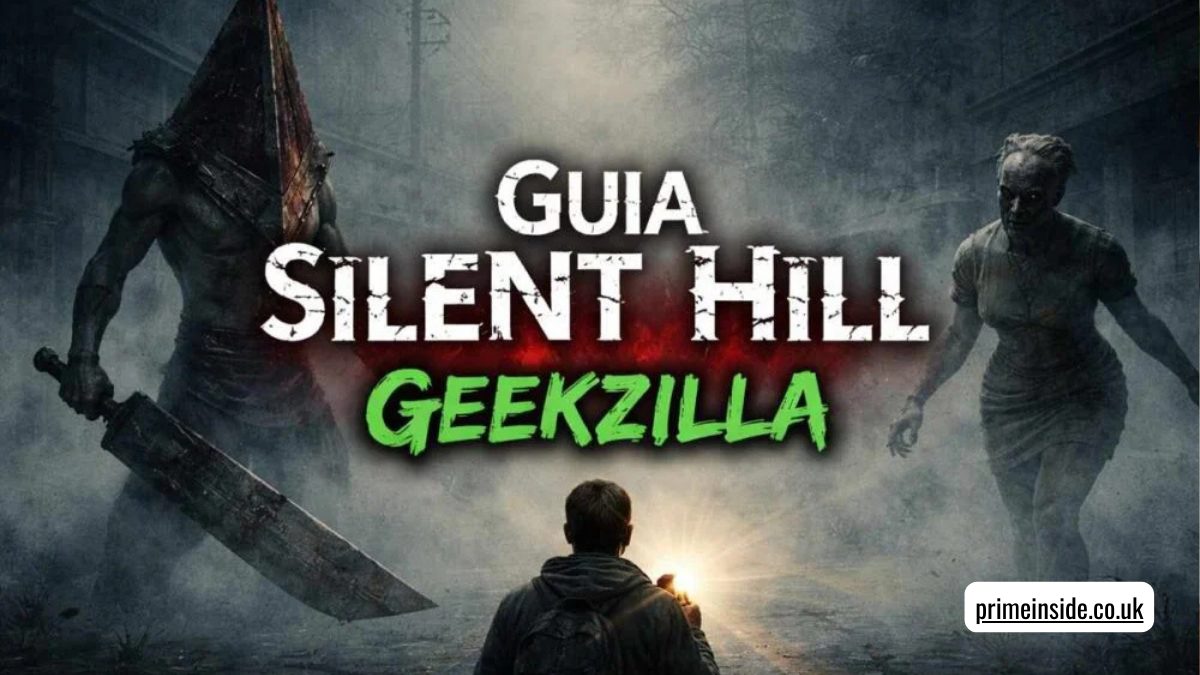
Guia Silent Hill Geekzilla: Complete Expert Strategy & Lore Resource
Silent Hill isn’t merely a game franchise — it’s a psychological phenomenon rooted in fear, atmosphere, and storytelling. For players seeking mastery of its winding streets, haunting soundscape, and hidden lore, this guia silent hill geekzilla has been crafted as the definitive resource. From gameplay mechanics and enemy breakdowns to narrative interpretation and advanced survival tactics, this guide unpacks Silent Hill’s layers with precision. Whether you’re a newcomer or a veteran returning to the fog‑shrouded town, this article delivers comprehensive insight into how to play, understand, and even deconstruct what makes Silent Hill one of the most enduring horror franchises.
Understanding Silent Hill: Origins and Horror DNA
At its core, Silent Hill is a masterclass in psychological horror rather than jump scares alone. Developed by Konami, the series redefined fear with fog, unsettling sound design, and emotional storytelling. Its themes revolve around guilt, identity, and inner demons made manifest. This foundation makes a guia silent hill geekzilla essential for players who want more than surface‑level strategy. Understanding why Silent Hill feels so disturbing — from sound cues to narrative triggers — enhances both survival odds and appreciation of the art form.
Silent Hill Gameplay Fundamentals
Silent Hill gameplay blends exploration, puzzle‑solving, and survival action. Unlike many horror titles, it doesn’t hold players’ hands — it obstructs them. Ammo is scarce, enemies are relentless, and every dark corridor might be your last. As part of this guia silent hill geekzilla, it’s critical to internalize resource management early. Conserving ammunition, healing items, and carefully mapping environments influences how effectively you traverse the town and avoid frustrating backtracking.
Interpreting the Fog: Atmosphere as a Gameplay Mechanic
Silent Hill’s fog isn’t just aesthetic — it’s functional. It limits visibility to create tension, alter enemy behavior, and influence player psychology. Many players underestimate how much the fog affects both direction and combat. The emotional weight of reduced visuals forces players to rely on audio cues and environmental intuition. Understanding this reinforces the value of listening — footsteps, distant growls, and ambient sound become survival tools, not just background noise.
Character Playstyles and Tactical Survival
Character progression in Silent Hill isn’t about leveling up — it’s about learning your environment and reacting with precision. Each playable protagonist handles differently, and mastering their movement quirks is central to survival. For example, some characters sprint slower but take less damage, while others have better accuracy but weaker defenses. This guia silent hill geekzilla section emphasizes adapting your strategy to the character’s strengths rather than forcing aggressive play in a game designed around cautious pacing.
Combat Dynamics: Fight, Flee, or Avoid
Combat in Silent Hill is deliberately unforgiving. Enemies don’t respawn predictably, and ammunition scarcity means you rarely want to fight unless absolutely necessary. Understanding enemy mechanics — attack ranges, audio cues before strikes, and group behaviors — gives players the edge. In many cases, evasion isn’t just safer — it’s the most resource‑efficient path to survival.
Puzzle Design: Thinking in Multiple Layers
Silent Hill puzzles aren’t random challenges — they fit thematically within the story. Symbols, notes, and environmental clues often interlock, meaning attention to detail pays off in surprising ways. Approaching puzzles as narrative extensions rather than barriers allows players to engage more deeply with the world. This guia silent hill geekzilla insight reinforces the idea that Silent Hill isn’t just about survival — it’s about interpretation.
Enemy Bestiary: Understanding Threats and Patterns
Silent Hill features a menagerie of grotesque creatures, each with distinct behavior and threat levels. From slow shamblers to erratic aggressors, knowing what you’re facing changes your approach. Here’s a breakdown of common enemy types and how best to deal with them:
| Enemy | Behavior Pattern | Best Strategy | Threat Level |
| Basic Walkers | Slow, shambling | Avoid or use headshots | Low |
| Rushers | Sudden lunges | Strafe and evade | Medium |
| Ambushers | Hide, then attack | Watch audio cues | High |
| Boss Entities | Scripted encounters | Use patterns & environment | Very High |
This table is a core part of your guia silent hill geekzilla, turning daunting monsters into tactical puzzles you can anticipate and survive.
Maps and Navigation: Orienting in the Fog
Silent Hill’s world feels labyrinthine by design. Streets look alike, fog obscures landmarks, and creatures often lurk around corners. Memorization is part of mastery. Successful navigation requires players to map areas mentally, understand visual cues, and annotate notes — whether on paper or digital. Roads, alleyways, and doorways become familiar only through repetition, but this familiarity yields confidence and survival.
Sound Design: The Invisible Guide
Audio in Silent Hill isn’t just atmospheric — it’s informative. Footsteps, creature growls, distant clangs, and whispery ambience often communicate danger before visuals ever do. Want to know when a monster is approaching? Trust the audio layering. This layer of perception is what separates seasoned players from those who wander blind. So treat sound design as a compass in your guia silent hill geekzilla toolkit.
Inventory Strategy: Prioritization Over Excess
Inventory is limited in Silent Hill — often frustratingly so. Deciding what to carry and what to leave behind can mean the difference between life and death. Healing items, ammo, and puzzle essentials battle for space. This part of the guia silent hill geekzilla emphasizes conservative stockpiling, judicious ammo use, and always making room for unexpected items that advance the plot or open locked areas.
Narrative Layers: What Silent Hill Is Really About
Silent Hill’s story doesn’t unfold linearly. Themes of guilt, unresolved trauma, and character backstories emerge through cutscenes, notes, and environmental storytelling. Players who treat Silent Hill as a mystery to be interpreted rather than just a horror survival game gain deeper satisfaction. Your emotional investment becomes part of the experience — making victories sweeter and failures meaningful.
Psychological Horror: Beyond the Monsters
Unlike purely jump‑scare titles, Silent Hill’s fear comes from ambiguity, dread, and player psychology. The sensation of not knowing what’s around the corner drives stress exponentially more than visible threats. This section of the guia silent hill geekzilla explains how fear manifests in gameplay — from limited sightlines to unnerving soundscapes — building tension without cheap tricks.
Character Arcs: Who You Are in Silent Hill Matters
Each Silent Hill protagonist enters the town for different reasons — guilt, search for answers, personal loss. These motivations aren’t cosmetic; they shape how the world responds. Understanding character motivation enhances narrative depth, making the horror feel personal and emotionally grounded. It’s this layer that elevates Silent Hill above typical horror game storytelling.
The Importance of Lore: Connecting the Dots
Silent Hill’s lore is expansive — cult histories, symbolic artifacts, recurring motifs. Connecting these elements creates a richer experience than merely playing for scares. This section of the guia silent hill geekzilla helps players recognize recurring symbols, interpret cryptic messages, and understand how narrative threads weave across installments.
Advanced Survival Techniques
For veterans seeking mastery, Silent Hill requires strategic restraint. Players should avoid unnecessary confrontations, preserve ammo for unavoidable battles, and scout areas before entering. Comfortable pacing and patience fend off panic reactions that often lead to mistakes. Mastering these advanced techniques turns a reactive player into a proactive survivor.
Visual Cues: Reading Environments for Clues
Silent Hill hides narrative and puzzle clues in its visual design. Graffiti, blood trails, and shadowy icons often foreshadow danger or puzzle solutions. Training your mind to scan environments vertically and horizontally — not just forward — elevates gameplay strategy and reduces blind errors.
Replay Value and Multiple Endings
Silent Hill offers multiple story paths and endings based on choices, completion time, and secret criteria. Depending on your actions, the narrative can shift dramatically. This variability increases replay advocacy — meaning each playthrough can reveal new narrative layers or hidden bosses that casual players might miss.
Silent Hill Soundtracks: Mood as Mechanic
Silent Hill’s music — particularly compositions by Akira Yamaoka — isn’t just soundtrack; it’s mood architecture. The music adapts to location, pacing, and encounter tension, reinforcing fear even in quiet spaces. Understanding how sound interacts with gameplay deepens immersion and alerts players to contextual changes before visuals do.
Comparing Silent Hill to Other Horror Titles
| Feature | Silent Hill | Other Survival Horror |
| Psychological Depth | Very High | Moderate |
| Resource Scarcity | Intense | Variable |
| Narrative Complexity | Multi‑layered | Often Linear |
| Environmental Storytelling | Central | Secondary |
| Replay Value | High | Medium |
This table within your guia silent hill geekzilla showcases why Silent Hill stands apart — especially for players who want horror with depth, not just frights.
Common Misconceptions About Silent Hill
Some players assume Silent Hill is all about monsters — but its true impact comes from story, atmosphere, and human psychology. Recognizing this separates frustrated players from those who experience the series as intended. Understanding that fear is crafted through environment, theme, and sound — not cheap shocks — transforms how the game is approached.
Silent Hill Tips: Practical Skills for New Players
Approach every area slowly, manage inventory conservatively, and use audio cues to anticipate threats. These tips turn frustration into strategy and help players adapt to Silent Hill’s unique pacing. Keep notes of puzzle elements and don’t assume linear progression — sometimes detours reveal essential items or narrative insights.
Fan Community Insights and Mod Culture
Silent Hill’s fan community continues to analyze lore, restore lost projects, and create mods that expand the experience. This thriving ecosystem enriches understanding, offering fresh perspectives on story interpretation and game design. Engagement with community resources often reveals patterns and secrets not immediately apparent in the core games.
Cultural Impact: Silent Hill in Media and Beyond
Silent Hill has influenced film, literature, and even psychological research on fear responses. Its cultural reach demonstrates how video games can shape narrative artistry beyond entertainment. Recognizing this impact helps players appreciate Silent Hill not just as a game — but as a cultural artifact.
Quote That Captures Silent Hill’s Essence
“Silent Hill doesn’t scare you by showing the monster; it scares you by making you imagine it.” — Renowned Horror Media Analyst
This sentiment captures why atmosphere and uncertainty — not just visuals — define the franchise.
Conclusion: Why This Guia Silent Hill Geekzilla Matters
Silent Hill remains a genre‑defining universe rooted in psychological tension, atmospheric mastery, and narrative depth. This guia silent hill geekzilla equips players with strategic insight, lore interpretation, survival techniques, and experiential understanding. From foundational gameplay to advanced survival tactics, this resource transforms how you play, think about, and emotionally engage with Silent Hill.
Frequently Asked Questions
What is the guia silent hill geekzilla?
The guia silent hill geekzilla is a comprehensive strategy and lore guide designed to help players understand gameplay, story, and survival mechanics in the Silent Hill franchise.
How do I survive longer in Silent Hill?
Effective survival in Silent Hill — according to this guia silent hill geekzilla — depends on careful resource management, attentive audio‑visual awareness, and slow exploration.
Are there secret endings in Silent Hill?
Yes, multiple Silent Hill games include secret endings that are unlocked by specific actions, choices, or item usages as outlined in this guia silent hill geekzilla.
How important is sound in Silent Hill?
Sound is critically important and functions as a directional and emotional cue — one of the central pillars emphasized throughout the guia silent hill geekzilla.
Can I beat Silent Hill without fighting enemies?
Yes — many Silent Hill encounters can be avoided, and this guide recommends avoidance when beneficial, turning fear into tactical advantage.