Admin
Admin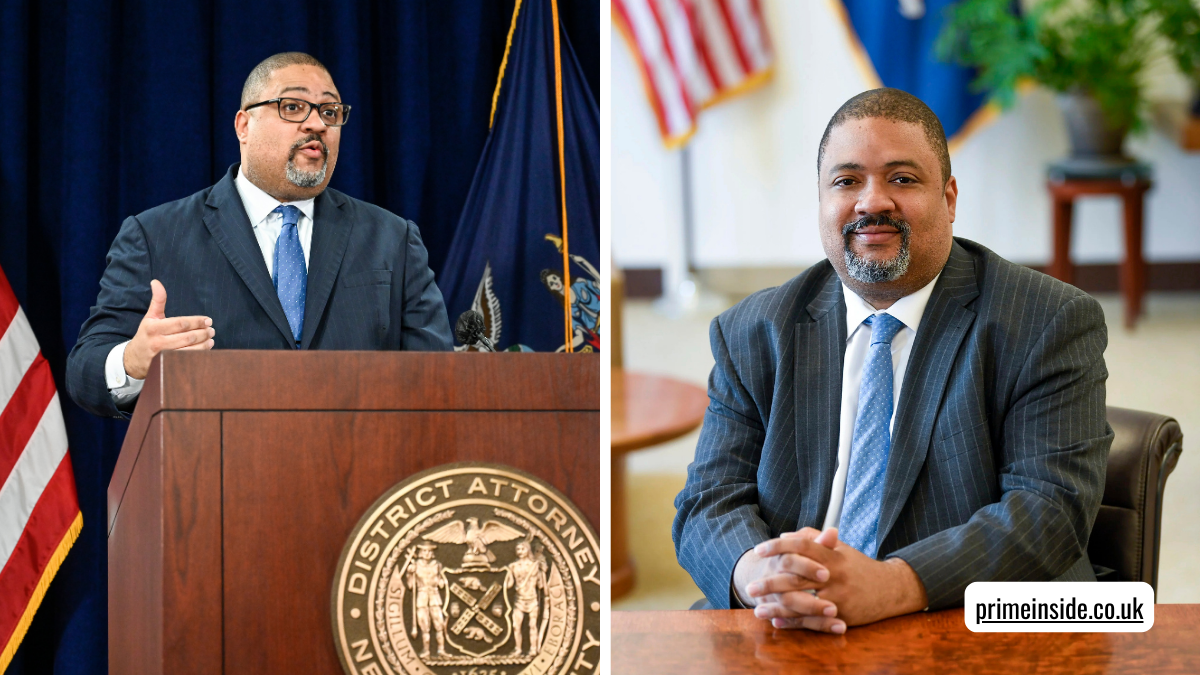
Alvin Bragg: Leadership, Legacy & Legal Impact of Manhattan’s District Attorney
Alvin Bragg stands at the intersection of law, politics, and the evolving landscape of criminal justice in the United States. As the current Manhattan District Attorney, his decisions reverberate far beyond New York County, touching high‑profile prosecutions, reform debates, and national discourse on accountability. Whether through major cases, policy shifts, or community partnerships, Alvin Bragg’s tenure embodies both legal authority and social controversy.
This article serves as the definitive, authoritative resource on Alvin Bragg—spanning his biography, career milestones, prosecutorial philosophy, key initiatives, and the broader implications of his actions. Through detailed analysis, structured insights, and contextual depth, this guide offers valuable perspective for readers seeking to understand one of the most consequential district attorneys in contemporary American legal history.
Early Life and Education of Alvin Bragg
Alvin Bragg was born on October 21, 1973, in New York City, where he grew up amid the challenges of urban life and the complexities of justice. Raised in Harlem, Bragg’s early experiences—both positive and harrowing—helped shape his views on law and community protection. His upbringing amid neighborhood violence, including traumatic encounters with policing, instilled in him a personal understanding of the justice system’s real‑world impact.
Bragg’s academic journey led him to Harvard University, where he earned both a Bachelor of Arts and a Juris Doctor degree, graduating with honors. His education at one of the nation’s premier law schools prepared him intellectually and ethically for a career dedicated to tackling complex legal challenges and advocating for fairness within the criminal justice system.
Rise to Prominence: Legal and Political Career
Alvin Bragg’s career trajectory reflects a blend of legal rigor and public service commitment. Before being elected Manhattan District Attorney, he served in high‑impact legal roles, including Chief Deputy Attorney General of New York and as an Assistant United States Attorney in the Southern District of New York. These positions placed him at the forefront of major civil and criminal litigation, shaping his expertise across prosecutorial and civil justice arenas.
In 2021, Bragg made history by becoming the first African American elected as Manhattan County District Attorney. He secured roughly 73.9% of the vote in the 2025 reelection, reflecting broad local support for his vision and policies. His election marked a pivotal moment in Manhattan politics, underscoring his influence in both legal and policy circles.
Role and Responsibilities as Manhattan District Attorney
As Manhattan District Attorney, Alvin Bragg oversees one of the most powerful local prosecutor’s offices in the United States. The office is responsible for prosecuting nearly all felony and major misdemeanor cases within Manhattan—a jurisdiction that includes Wall Street, Broadway, Harlem, and major financial and cultural institutions.
The Manhattan DA’s office also administers substantial resources, including a multi‑million‑dollar budget and specialized units that address organized crime, financial fraud, and community crime reduction efforts. Bragg’s leadership demands both strategic legal judgment and administrative oversight of a large team of prosecutors and support staff committed to public safety and justice.
Major Cases and High‑Profile Prosecutions
One of the most nationally significant aspects of Alvin Bragg’s tenure has been the prosecution of major cases involving influential figures and organizations. Notably, his office pursued the conviction of former President Donald Trump’s business entities in a landmark case—the first instance where a former U.S. president was successfully convicted through a local district attorney’s prosecution.
This case drew intense national attention and sparked debates regarding prosecutorial discretion, political influence, and the role of local prosecutors in matters of federal political significance. Regardless of differing opinions, the prosecution underscored both the legal authority and scrutiny that come with Alvin Bragg’s position.
Policy Innovations and Justice Reform
Beyond headline cases, Alvin Bragg is also known for integrating reform‑oriented approaches into his policy framework. His office has emphasized mental health and diversion programs, aiming to reduce recidivism and offer alternatives to traditional incarceration—especially for low‑level offenses. These initiatives reflect a broader philosophy connecting public safety with community well‑being and trauma‑informed approaches.
In early 2026, Bragg publicly identified crypto‑related crime as a top prosecutorial target, indicating an adaptive strategy that responds to emerging sections of financial and tech‑enabled offenses. Such focus areas position his office at the intersection of justice administration and evolving economic ecosystems.
Core Philosophies of Prosecution
At the heart of Alvin Bragg’s approach is a commitment to balancing accountability with nuanced understanding of systemic inequities. Bragg has publicly articulated that effective prosecution is not merely about conviction rates but about building safety, trust, and long‑term stability within communities.
This philosophy influences internal policy decisions, such as prioritization frameworks, diversion programs, and collaborative efforts with community organizations. By integrating social context into prosecutorial decisions, Bragg attempts to align criminal justice more closely with principles of restorative justice and social impact—an approach that draws both support and criticism.
Leadership in a Contested Environment
Being a top prosecutor in Manhattan inevitably places Alvin Bragg in the center of legal and political contention. Critics—from law enforcement unions to political opponents—have at times challenged his decisions and policies. Such debates often reflect larger national conversations about crime policy, reform, and public safety strategy.
Regardless of criticism, Bragg’s stewardship of the DA’s office illustrates the challenges of navigating legal authority, public expectations, and policy innovation within a diverse and dynamic metropolitan context.
Impact on Crime Trends and Community Outcomes
According to his office’s own reporting, Manhattan has seen significant reductions in shootings, homicides, and overall crime metrics since Bragg assumed office—though analysts caution that broader policing, social policy, and external factors also influence crime trends.
These figures often serve as focal points in evaluating Alvin Bragg’s impact, offering quantitative insight into the effectiveness of prosecutorial strategies, law enforcement collaboration, and community engagement efforts.
Legal Framework and Prosecutorial Discretion
Understanding Alvin Bragg’s role requires recognizing the discretionary power vested in local prosecutors. District attorneys determine which cases to pursue, how charges are structured, and the extent of plea negotiations. This discretion allows the DA to shape legal strategy and public safety priorities, but it also places significant responsibility—and public accountability—on leaders like Bragg.
Decisions around charging frameworks, bail recommendations, and resource allocation reflect both legal judgment and strategic intent, particularly in high‑stakes or high‑visibility cases.
Public Perception and Media Narratives
As a high‑profile legal figure, Alvin Bragg’s decisions are frequently subject to media scrutiny, political framing, and public commentary. Coverage ranges from praise for impactful prosecutions to criticism rooted in policy disagreements or ideological divides. These narratives shape wider public perceptions and influence political discourse around justice administration.
The complexity of his role often means that public commentary mixes legal analysis with political interpretation, challenging observers to separate procedural fact from broader narrative positioning.
Institutional Relationships and Government Interaction
Alvin Bragg collaborates with local law enforcement, community organizations, and government entities to address crime and justice issues. These relationships are critical in executing prosecutorial strategies, sharing information, and coordinating interventions.
However, they can also become sites of tension—as when union leaders or political figures publicly challenge DA decisions or priorities. Navigating these interactions requires diplomatic skill and strategic focus on overarching goals.
Comparison: Alvin Bragg vs Predecessor
| Dimension | Alvin Bragg | Cyrus Vance Jr. |
| Historical Significance | First Black Manhattan DA | Longest‑serving, career prosecutor |
| Approach to Reform | Integrates community and reform focus | Traditional prosecutorial emphasis |
| High‑Profile Cases | Oversaw conviction in Trump entity case | Managed major NYC prosecutions |
| Policy Innovation | Mental health, tech crime focus | Stability‑oriented case management |
This comparison highlights distinctions in leadership style, focus areas, and historical context between Bragg and his immediate predecessor, illustrating evolution within the Manhattan DA’s office.
Quote on Justice and Public Service
Reflecting on his vision for prosecution, Alvin Bragg said, “I don’t know if I knew I wanted to be a lawyer, but I knew I wanted to do something with the criminal justice system”—underscoring his sense of purpose and commitment to public service.
Challenges and Controversies
Every impactful public figure faces challenges, and Alvin Bragg’s tenure has been no exception. Critics have argued over some prosecutorial decisions and perceived leniency or reform‑oriented stances. Law enforcement unions at times voiced disapproval of policies they believe undermine traditional enforcement measures, while political figures have used prosecutorial actions as flashpoints in larger debates about criminal justice.
Such controversies reflect enduring tensions between progressive reform and established enforcement paradigms, highlighting the nuanced terrain in which Bragg operates.
Community Engagement and Social Programs
Beyond strict prosecution, Alvin Bragg has emphasized community engagement, including programs aimed at addressing underlying causes of crime and supporting victims, reintegration, and preventive measures. These initiatives seek to reduce the cycle of incarceration and foster safer communities by integrating proactive support systems.
The Broader Impact on Justice Reform
Alvin Bragg’s work feeds into national conversations about how local prosecutors should balance accountability, fairness, and reform. His tenure exemplifies how legal leadership can influence policy, procedural norms, and community confidence in justice systems.
While debates continue over specific tactics, his broader impact underscores the evolving role of district attorneys in shaping justice outcomes at both local and national levels.
Conclusion
Alvin Bragg represents a unique fusion of legal expertise, reform‑oriented ethos, and prosecutorial authority. His leadership as Manhattan District Attorney has influenced major legal cases, shaped local criminal justice policy, and sparked widespread public discussion. Whether viewed through legal, political, or social lenses, Bragg’s role underscores the power and complexity inherent in modern prosecution.
FAQ
What is Alvin Bragg known for?
Alvin Bragg is best known as the Manhattan District Attorney who has overseen major prosecutions, including the historic conviction of a former U.S. president’s business entities, and for his leadership on reform‑oriented justice strategies.
What office does Alvin Bragg hold?
Alvin Bragg serves as the 37th District Attorney of New York County (Manhattan), responsible for prosecuting major criminal cases and shaping local justice policy.
Has Alvin Bragg been reelected?
Yes, Alvin Bragg was reelected as Manhattan District Attorney in 2025 with strong voter support, continuing his leadership into a second term.
What reforms has Alvin Bragg pursued?
Alvin Bragg’s reforms include mental health and diversion initiatives, expanded prosecutorial focus on emerging crime areas like crypto offenses, and policies that balance accountability with community impact.
Why is Alvin Bragg a controversial figure?
Alvin Bragg draws both praise and criticism due to his prosecutorial discretion, policy choices, and handling of politically high‑profile cases, reflecting broader debates over justice reform and public safety strategies.