Admin
Admin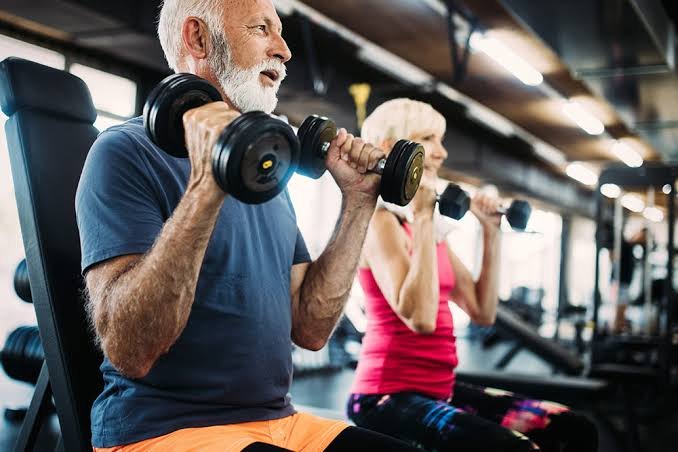
Remaining physically active is one of the most effective ways for seniors to support their health, independence, and overall quality of life. Regular movement can help maintain strength, flexibility, balance, and cardiovascular health while also contributing to emotional well-being and cognitive function. Regardless of age, staying active can provide significant benefits that help older adults continue doing the things they enjoy.
Many people assume that staying active requires strenuous exercise, but that is not the case. Seniors can benefit from a variety of enjoyable activities that fit their abilities and lifestyles. By incorporating movement into daily routines and choosing activities that are both safe and enjoyable, older adults can remain healthy and engaged for years to come.
Make Walking a Daily Habit
Walking is often considered one of the best forms of exercise for seniors because it is simple, accessible, and highly effective. Regular walks help improve cardiovascular fitness, strengthen muscles, support joint mobility, and increase endurance.
Walking also provides mental health benefits. Spending time outdoors can reduce stress, improve mood, and provide opportunities to connect with nature. Whether walking around the neighborhood, at a local park, or inside a shopping center, this activity can easily fit into most daily routines.
Starting with short walks and gradually increasing duration can help build confidence and create a sustainable habit over time.
Participate in Group Exercise Programs
Group fitness classes offer a structured and social approach to staying active. Many programs are specifically designed for older adults and focus on improving strength, flexibility, balance, and cardiovascular health.
The social aspect of group exercise can be just as valuable as the physical benefits. Exercising with others creates opportunities to develop friendships and stay motivated. Many seniors find that having a scheduled activity helps them remain consistent with their fitness goals.
Classes such as water aerobics, chair exercises, stretching sessions, and low-impact fitness programs can accommodate a wide range of physical abilities.
Incorporate Strength Training
Maintaining muscle strength becomes increasingly important with age. Strength training helps preserve muscle mass, supports bone health, improves balance, and makes everyday activities easier to perform.
Using resistance bands, light weights, or bodyweight exercises can provide effective ways to build and maintain strength. Seniors do not need to lift heavy weights to experience benefits. Consistent, moderate resistance training is often enough to improve functional fitness.
Stronger muscles can also help reduce the risk of falls and support long-term independence.
Focus on Balance and Flexibility
Balance and flexibility exercises are essential components of a well-rounded fitness routine. These activities help improve coordination, maintain mobility, and reduce the likelihood of injury.
Practices such as yoga, stretching, and tai chi promote flexibility while encouraging controlled movement and improved balance. Many seniors enjoy these activities because they are gentle on the joints and can be adapted to different fitness levels.
Improving balance can boost confidence during daily activities and help older adults remain active and independent.
Stay Socially Active Through Recreation
Activities that combine movement and social interaction provide multiple wellness benefits. Participating in recreational sports, dance classes, community events, or group outings creates opportunities for both physical activity and meaningful social engagement.
Seniors interested in active independent living in San Antonio often find that active communities provide numerous recreational opportunities designed to encourage socialization and healthy lifestyles. These programs can help residents maintain both physical fitness and emotional well-being.
Building social connections through active pursuits can also reduce feelings of isolation and contribute to greater life satisfaction.
Turn Hobbies Into Exercise
Many hobbies naturally involve physical movement and can be excellent ways to stay active without focusing specifically on exercise. Gardening, dancing, golfing, birdwatching, photography, and even certain volunteer activities encourage regular movement while providing personal enjoyment.
Choosing activities that align with personal interests makes it easier to remain active consistently. When physical activity feels enjoyable rather than obligatory, people are often more likely to stick with it long term.
Active hobbies can also provide cognitive stimulation and a sense of accomplishment, further supporting overall wellness.
Keep Moving Throughout the Day
Exercise sessions are valuable, but daily movement is equally important. Long periods of sitting can negatively affect health, so finding ways to remain active throughout the day is beneficial.
Simple activities such as light housekeeping, walking while talking on the phone, taking short movement breaks, or running errands on foot can contribute to overall activity levels. These small efforts accumulate and provide meaningful health benefits over time.
The goal is to make movement a regular part of everyday life rather than something reserved only for scheduled workouts.
Creating a Sustainable Routine
Consistency is one of the most important factors in maintaining an active lifestyle. Seniors should choose activities they enjoy and can safely perform on a regular basis. Building a routine around personal interests increases the likelihood of long-term success.
It is also important to listen to the body and progress gradually. Starting slowly and increasing activity levels over time helps prevent injuries and promotes confidence. Consulting a healthcare provider before beginning a new fitness program can also be beneficial.
An active lifestyle does not need to be complicated. Small, consistent efforts often produce the greatest long-term results.
The Benefits of Staying Active
Regular physical activity offers a wide range of benefits that extend beyond physical fitness. Active seniors often experience improved mood, better sleep quality, increased energy, and enhanced cognitive function.
Exercise can help manage chronic conditions, support healthy aging, and preserve independence. Additionally, the social interactions that often accompany physical activities contribute to emotional wellness and overall happiness.
By prioritizing movement, seniors can improve both the quantity and quality of their lives while continuing to engage in the activities they value most.
Conclusion
Staying active as a senior is one of the most effective ways to support long-term health and independence. Walking, group fitness classes, strength training, balance exercises, social recreation, active hobbies, and daily movement all provide valuable opportunities to remain healthy and engaged.
Healthy aging is not about achieving perfect fitness. It is about finding enjoyable ways to stay active and making movement a regular part of life. With consistency and the right approach, seniors can continue to enjoy active, fulfilling, and rewarding lifestyles for many years to come.