 socialrabbit socialrabbit
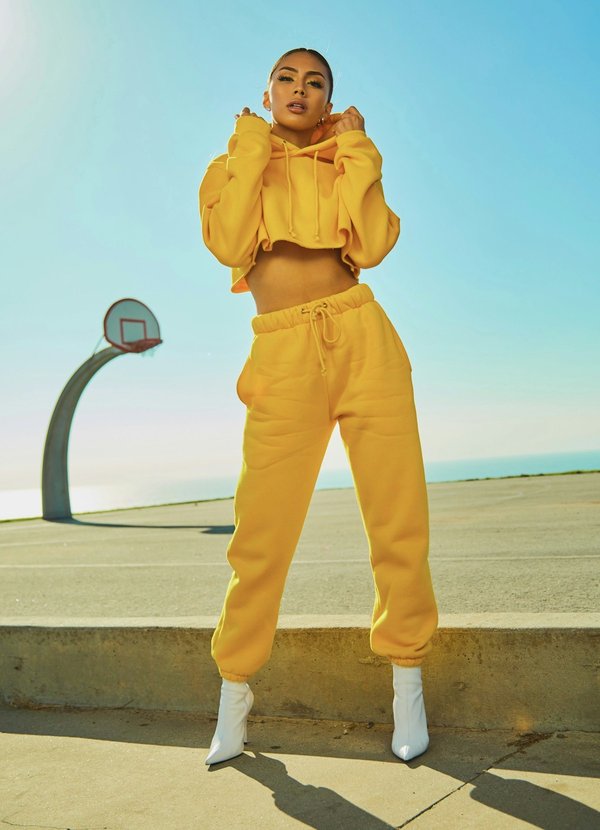
Autumn/winter dressing in the UK is less about chasing every runway look and more about surviving wind, rain and overheated offices without looking like you gave up in October. For late 2026, the wearable trends lean practical: softer layers, richer textures, calmer colour stories and pieces that move from daytime errands to evening plans. Here is how to tap into the mood without rebuilding your entire wardrobe or inventing statistics about what “everyone” is wearing.
Trends only earn their keep when they survive a wet commute and a Monday morning. Everything below is filtered through that test.
Table of contents
- The AW mood in plain English
- Layering that actually works in British weather
- Textures and colours that feel current
- Footwear that carries an outfit
- Work, weekend and “something nice” without three wardrobes
- Trend on a budget — swap, restyle, then buy
- A sample week of outfits
- Conclusion
The AW mood in plain English
Think “polished comfort”: knitwear that looks intentional, coats with clean lines, trousers with room to move, and accessories that finish an outfit rather than shout. Statement logos are optional; fabric and fit do more of the talking. If you like understated style reads on Prime Inside, the Fashion category already leans into wearable ideas over hype cycles.
You will still see sparkle as party season approaches. The wearable approach is to keep the base calm and let one element carry the festive note — earrings, a bag, a richer lip — rather than buying a costume for every invitation.
Layering that actually works in British weather
A reliable UK stack often looks like this: breathable base (cotton or merino blend), mid-layer (cardigan, overshirt or light fleece), weather layer (waterproof or wool-blend coat). Keep one smart mid-layer that photographs well for work video calls and one rugged outer layer for wet pavements.
Avoid buying three nearly identical black jumpers “because they were on offer”. Vary neckline and weight so each piece earns its hanger space. A fine crewneck under a blazer behaves differently from a chunky roll-neck under a parka; both can belong, but only if you will wear both.
Indoor heat is part of the puzzle. Choose mid-layers you can peel without looking unfinished, and bags large enough for the spare layer you will inevitably carry by mid-afternoon.

Textures and colours that feel current
Texture is an easy update: corduroy, brushed cotton, soft leather-look accessories, ribbed knits, brushed flannel. Colour-wise, deep greens, chocolate brown, muted burgundy and classic navy sit comfortably with grey British skies. You do not need a full colour story — one accent scarf or bag can refresh outfits you already own.
- Swap a shiny polyester scarf for a soft wool-mix one
- Add a textured belt to break up a monochrome look
- Choose one patterned knit instead of five plain crewnecks
- Mix matte and subtle sheen rather than head-to-toe gloss
If your wardrobe is mostly black, introduce brown or forest green through accessories first. It is cheaper to test a colour on a scarf than on a coat.
Footwear that carries an outfit
In the UK, shoes make or break winter outfits. Prioritise grip and weather resistance over delicate soles. Clean trainers with a winter-ready coat can look modern; so can Chelsea boots with straight trousers. Rotate pairs so leather and fabric dry properly between wears.
Keep a simple care kit: brush, cleaner appropriate to the material, and cedar or paper stuffing for wet shoes overnight. Longevity is a style choice as much as a money choice.
Work, weekend and “something nice” without three wardrobes
Build overlaps. The trousers you wear to the office should also work with a softer top at the weekend. The coat that covers school run should still look right over a dress for dinner. When pieces only work in one narrow context, your laundry basket and your wallet both suffer.
Trend on a budget — swap, restyle, then buy
Before you shop:
- Restyle what you own with different proportions (tuck, cuff, belt).
- Repair or alter hems — a better fit beats a new label.
- Buy one hero outer layer or boots if yours are worn out.
- Fill gaps with basics only after sales you have price-checked.
Small styling skills — even something as simple as tying a bandana — can shift a look from flat to finished without a big spend.
A sample week of outfits
| Day | Focus | Key piece |
|---|---|---|
| Monday | Work-from-home smart | Fine knit + neat trousers |
| Tuesday | Commute in rain | Waterproof coat + dark jeans |
| Wednesday | Casual coffee | Overshirt + trainers |
| Thursday | Office / meetings | Blazer over soft knit |
| Friday | After-work plans | Dark trousers + statement top |
| Weekend | Errands + evening | Coat that elevates basics |
Conclusion
Autumn/winter 2026 style for UK wardrobes is about layers, texture and footwear that cope with real weather. Chase fewer trends, make each piece work harder across work and weekend, and let sales fill genuine gaps — not invent new ones. Wearable always outlasts theatrical.