Admin
Admin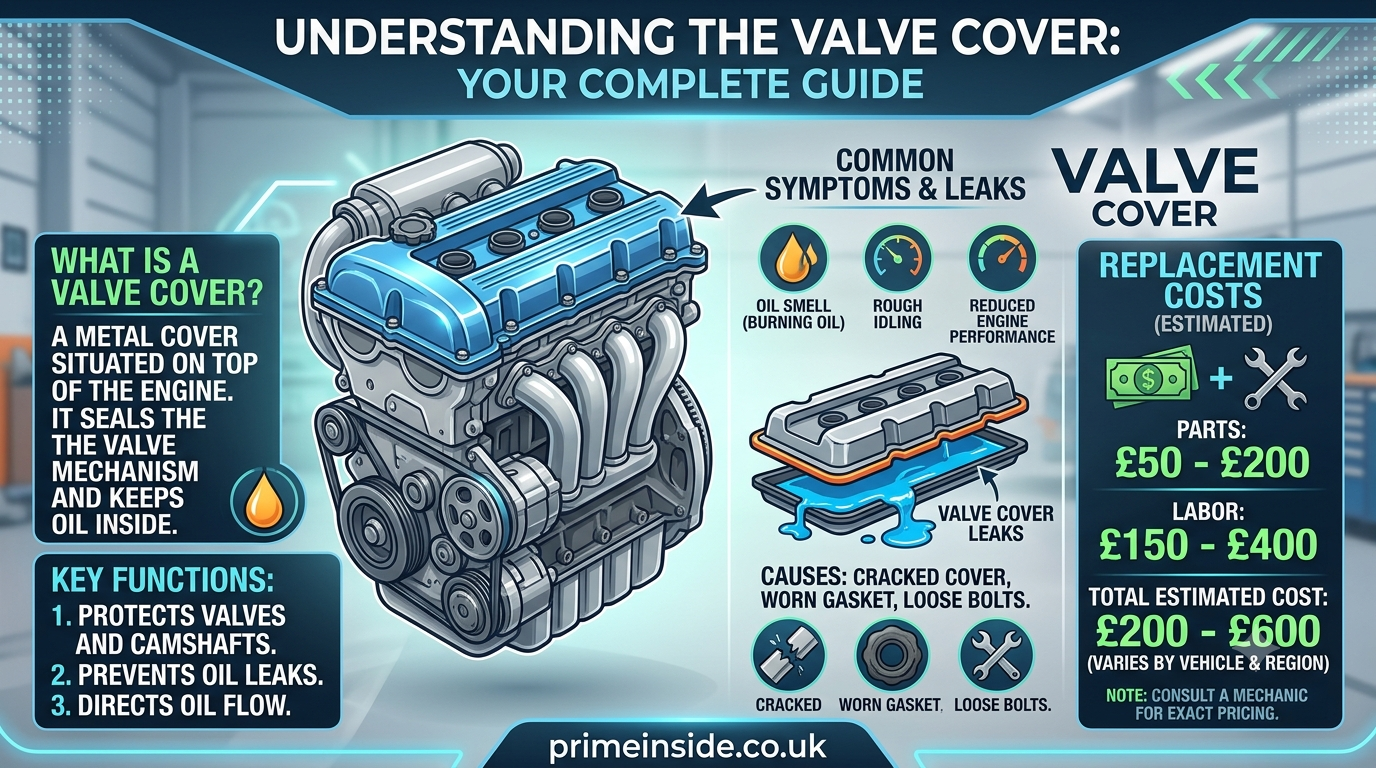
Have you ever looked under the hood of your car and wondered about the parts keeping your engine alive? The Valve Cover is a crucial protective lid located at the very top of your engine. Made of strong metal or plastic, its main job is to shield the delicate internal parts of the engine from dirt, dust, and debris. Without a sturdy valve cover, your engine valves and camshafts would be exposed to the harsh outside world, leading to quick damage.
Beyond protection, it plays a massive role in keeping your engine lubricated. Inside the engine, oil splashes around constantly to keep everything moving smoothly. The valve cover keeps all that vital oil trapped inside where it belongs. It acts like a roof over a house, ensuring that the heavy rain of engine oil stays contained. If you value a clean garage floor and a smooth ride, this simple component is one of your best friends.
Understanding the Role of the Valve Cover Gasket
To make sure no oil escapes from the top of the engine, cars use a special seal. This seal is known as the valve cover gasket. It sits tightly between the hard metal engine block and the valve cover itself. Usually made of rubber, silicone, or cork, this flexible strip fills in any tiny gaps between the two flat surfaces. Because engines vibrate and get very hot, this part must be tough yet flexible.
Over thousands of miles, the valve cover gasket goes through a lot of stress. The extreme heat from regular driving causes the rubber to harden and crack over time. When valve cover gaskets lose their bounce, they can no longer hold the oil back. This is when small drops of oil start to creep out, leading to messy engine bays and potential performance trouble down the road.
What is a Valve Cover Gasket Leak?
A valve cover gasket leak happens when the rubber seal fails and engine oil starts escaping. This is one of the most common issues mechanics see in older vehicles. When you have a valve cover leak, oil doesn’t just stay in one place; it slowly drips down the sides of the hot engine. This can create a sticky, black mess that attracts dirt and ruins other nearby car parts.
Ignoring a valve cover gasket leak is never a good idea for your wallet or your safety. Oil can drip onto hot exhaust pipes, creating a burnt smell or even dangerous smoke under the hood. Furthermore, letting oil escape means your engine loses its lifeblood. If the oil level drops too low, the moving parts inside your engine will grind together, causing massive and expensive damage.
Common Valve Cover Gasket Leak Symptoms to Watch For
How do you know if your car is suffering from this common issue? There are a few clear valve cover gasket leak symptoms that every driver should know. The most obvious sign is finding dark puddles of oil on your driveway after parking. If you notice fresh spots under the front of your car, it is time to pop the hood and take a closer look.
Another major sign is a strong smell of burning oil while you are driving. When a valve cover leak gets worse, oil drips onto the super-hot exhaust manifold, creating a distinct, unpleasant odor. You might also see white smoke coming out from under the hood when you stop at a red light. Finally, if your engine starts misfiring or running rough, oil might have leaked into the spark plug holes, causing electrical issues.
The Ultimate Quick Guide to Valve Cover Components
To help you visualize everything we are talking about, let us look at how these parts fit together. The engine top is a system of parts working as a team to keep oil inside and dirt out.
| Component Name | Main Material | What It Does for Your Car |
| Valve Cover | Aluminum, Steel, or Plastic | Protects the top engine parts and holds the oil. |
| Valve Cover Gasket | Rubber, Silicone, or Cork | Seals the gap between the cover and the engine block. |
| Spark Plug Tube Seals | Rubber O-Rings | Keeps engine oil from drowning the spark plugs. |
| Oil Filler Cap | Plastic or Metal | Covers the hole where you pour fresh engine oil. |
Why Do Valve Cover Gaskets Fail Over Time?
You might wonder why valve cover gaskets fail if they are meant to be so tough. The main enemy of any rubber part inside a car engine is extreme heat. Every time you drive, your engine heats up to hundreds of degrees, and then cools down when you park. This constant change in temperature causes the valve cover and the rubber seal to expand and shrink.
Over the years, this constant movement causes the rubber to lose its natural flexibility. It becomes brittle, dry, and cracks like an old plastic toy left out in the sun. When valve cover gaskets get brittle, they can no longer create a tight, perfect seal. Additionally, high mileage and poor engine maintenance can speed up this wear and tear significantly.
The Real Dangers of Ignoring a Valve Cover Leak
It can be tempting to ignore a tiny oil drip, especially when you are busy with life. However, letting a valve cover leak go unfixed can lead to massive headaches later. One major risk is damage to your car’s electrical system. When oil leaks out, it often pools inside the spark plug tubes, soaking the wires and boots. This stops the spark plugs from firing correctly, leading to a rough idle and poor fuel mileage.
There is also a real danger of an engine fire if the valve cover leak is severe. Motor oil is highly flammable when it hits extremely hot metal surfaces like the exhaust system. If you smell burning oil inside the cabin, it means fumes are entering your air vents, which is unhealthy to breathe. Fixing the valve cover early keeps you safe and saves you from buying a whole new engine.
Estimating the Valve Cover Gasket Replacement Cost
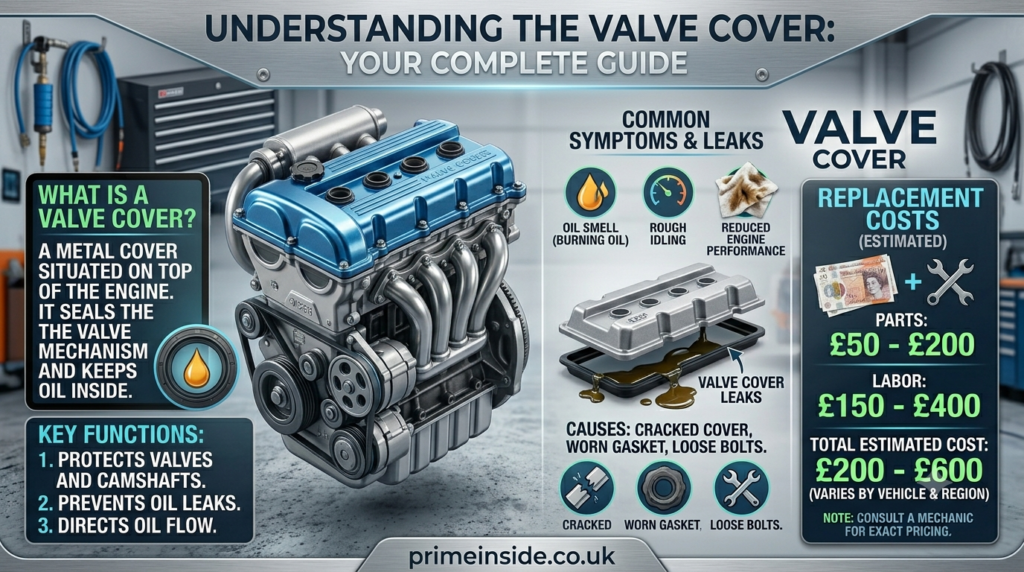
If you need a fix, you are likely wondering about the valve cover gasket replacement cost. The total price you pay at a mechanic shop depends heavily on the make and model of your vehicle. For a simple four-cylinder car, the valve cover gasket cost for parts alone is quite cheap, usually between $20 and $50. The rest of the total price comes down to the time and labor it takes to do the job.
When you look at the total valve cover gasket replacement cost, you can expect to pay anywhere from $150 to $450 at a standard repair shop. If you drive a luxury car or a large truck with a V8 engine, the job takes longer because there are two separate valve cover lids to deal with. In those cases, the price can climb up to $600 or more.
Step-by-Step Breakdown: Valve Cover Gasket Replacement
If you love working with tools, a valve cover gasket replacement is a great weekend project. First, make sure the engine is completely cool so you do not get burned. You will need to remove any plastic engine covers, cables, and spark plug wires that are sitting on top of the valve cover. Next, carefully unscrew the bolts holding the cover down and gently lift it off the engine block.
Once the cover is off, scrape away every bit of the old, broken valve cover gasket. Clean the metal surfaces thoroughly with a degreaser so the new seal can sit perfectly flat. Place the fresh rubber seal into the groove of the valve cover, and then carefully lower it back onto the engine. Tighten the bolts in a crisscross pattern using the correct torque settings so you do not crack the plastic or strip the metal threads.
DIY vs. Professional Mechanic: Which Should You Choose?
Deciding whether to tackle a valve cover fix yourself or pay a pro depends on your comfort level with cars. Doing a DIY valve cover gasket replacement can save you hundreds of dollars in labor fees. It is a fantastic way to learn how your vehicle works, and it only requires basic hand tools like a socket wrench and some screwdrivers.
On the other hand, some modern cars have very crowded engine bays. You might have to remove intake manifolds, fuel lines, and lots of hidden wiring just to reach the valve cover. If your car looks like a confusing maze under the hood, paying the professional valve cover gasket replacement cost is worth the peace of mind. A certified mechanic can do the job quickly and usually offers a warranty on their work.
Conclusion:
In conclusion, the humble valve cover plays a massive role in keeping your car running strong and clean. Paying attention to valve cover gasket leak symptoms like burning smells or oil spots can save you from major engine damage. While a broken seal is annoying, the overall valve cover gasket cost is a small price to pay to protect your vehicle’s heart. Take care of your leaks early, check your oil levels often, and enjoy a smooth, worry-free ride!
Frequently Asked Questions (FAQs)
Can I drive my car with a valve cover gasket leak?
Yes, you can usually drive for a short time with a minor valve cover leak, but it is not a good idea to ignore it. The oil will continue to escape, which can ruin spark plugs, melt rubber hoses, and cause a burning smell. It is best to fix it quickly before a small drip becomes a major, expensive repair.
How long does a valve cover gasket last?
On average, a high-quality valve cover gasket lasts between 20,000 to 50,000 miles. However, this lifespan depends on your driving habits and how hot your engine gets. Regular oil changes help keep the inside of the engine clean, which can actually extend the life of your seals and the valve cover itself.
Why does my car smell like burning oil?
If you smell burning oil inside your car, it is a classic sign of a valve cover gasket leak. Oil escapes from the top of the engine and drips down onto the super-hot exhaust system. The exhaust cooks the oil instantly, creating smoke and a foul odor that gets sucked into your cabin air vents.
What happens if oil gets onto my spark plugs?
When a valve cover gasket fails internally, oil can pool inside the spark plug tubes. This oil coats the spark plugs and blocks the electrical current. This causes your engine to misfire, shake, lose power, and waste gas. Replacing the bad seal will stop the oil from drowning your spark plugs.
Is it hard to replace a valve cover by myself?
For most older or simpler cars, replacing a valve cover seal is a moderate DIY job that takes about one to two hours. You just need patience, basic tools, and a clear guide. However, if you drive a complex modern vehicle with lots of parts blocking the engine top, it might be better to hire a professional.
Can a leaking gasket cause low engine oil levels?
Absolutely. A continuous valve cover gasket leak will slowly drain your engine oil over time. If you do not check your dipstick regularly and add oil when needed, your engine could run completely dry. Running an engine without enough oil will cause the metal parts to destroy themselves within minutes.